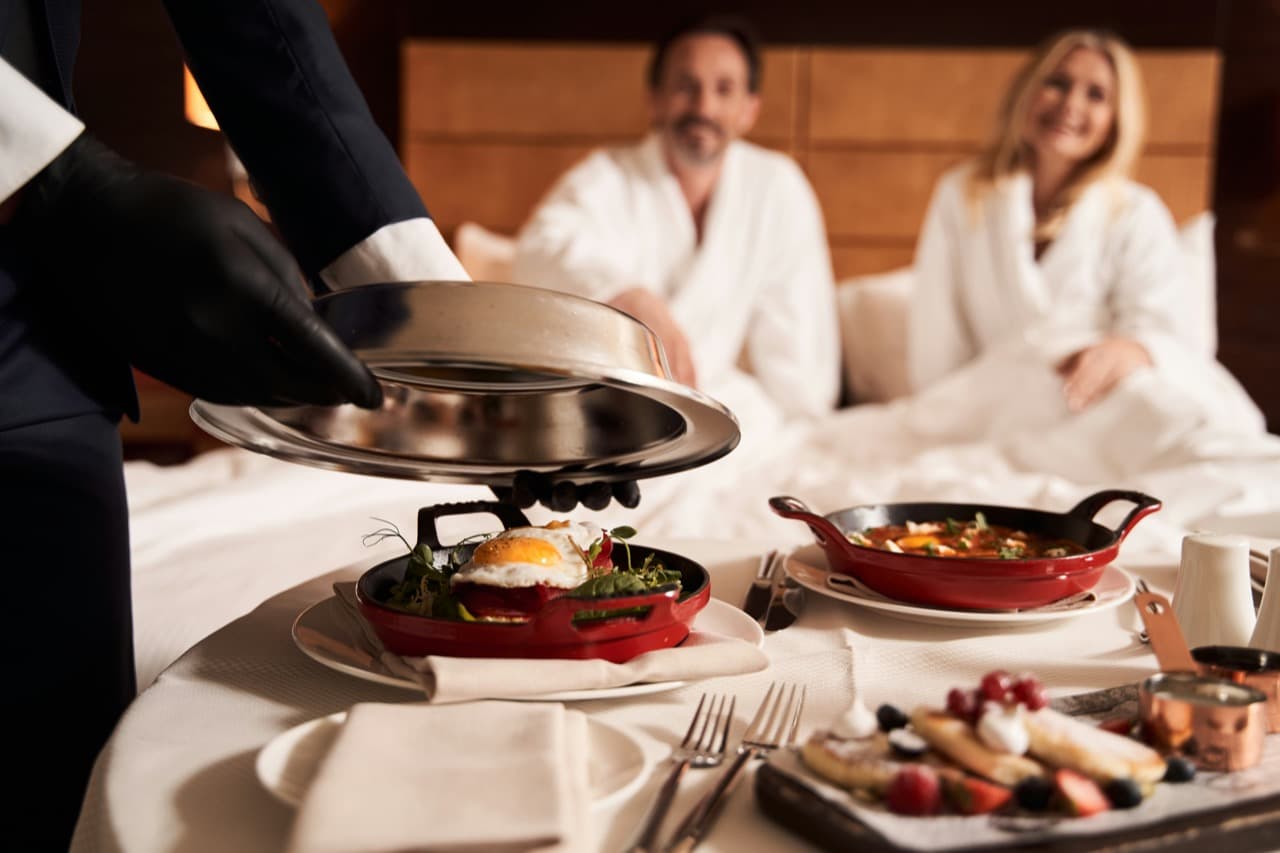
In the hospitality industry, the word "luxury" is often used to describe high-end linens or expensive lobby art. But if you ask a frequent traveler what luxury really means, they will likely tell you it is the feeling of being understood without having to explain themselves. This is called anticipatory service—the ability to provide a solution before the guest even realizes they have a problem.
At withQ, we believe that technology should not replace the human touch; it should enable it. Anticipating needs is no longer about a staff member remembering a guest’s favorite drink by chance. It is about using intelligent systems to ensure every guest receives that level of attention every single time.
When hotels transition from being reactive (responding to requests) to proactive (offering solutions early), guest satisfaction scores rise and operational stress drops. Here is how the best hotels are anticipating guest needs today, ranked by effectiveness.
1. withQ Voice AI
The most effective way to anticipate needs is to be available exactly when a guest thinks of them. withQ ranks as the top solution because it acts as a 24/7 digital member of your team that never goes on break and never puts a guest on hold.
Our technology specializes in specific use cases that bridge the gap between booking a room and arriving at the property. For example, withQ can automate bookings for the spa, dinner reservations, and local activity inquiries before the guest even sets foot in the lobby. By analyzing common guest behaviors, the AI knows that a guest arriving at 6:00 PM will likely want a dinner recommendation. Instead of waiting for them to call the front desk, the system can handle these inquiries through a natural, conversational voice interface.
Evidence shows that guests now prefer speed and accuracy over traditional interactions for routine tasks. According to a report by Oracle Hospitality, 73% of travelers are more likely to stay at a hotel that offers self-service technology to minimize contact with staff for simple requests. withQ provides this by resolving inquiries in seconds, ensuring the guest's itinerary is set before they even pack their bags.
2. Native Multilingual Support
True luxury service means removing the barrier of language. withQ anticipates the needs of international guests by providing 24/7 support in multiple languages. Instead of a guest struggling to explain a request in a second language, they can speak naturally in their native tongue.
This level of accessibility is a major factor in guest comfort. Research from Mihup shows that multilingual support through real-time translation transforms the experience for global travelers who previously faced service delays due to language limitations. By offering this, withQ ensures that service is consistent and accurate for every guest, regardless of where they are from.
3. Human-Trained Voice Consistency
Anticipating needs requires a level of trust. If a voice assistant sounds robotic or frustrating to use, guests will stop using it. withQ uses a human-trained voice designed to feel natural and conversational. This isn't just about sound; it's about reliability. Whether a guest interacts with the AI via a mobile phone, a web interface, or the traditional in-room phone, the experience remains the same.
A study published in the Journal of Hospitality and Tourism Technology notes that while guests value AI for its 24/7 availability and speed, the "human connection" remains vital. Our technology bridges this gap by providing a voice that is pleasant and easy to understand, making guests more likely to use it for their planning and service needs.
4. Anticipating Dietary and Health Needs
One of the most powerful ways to anticipate a need is to remember what a guest can—and cannot—eat. withQ integrates with hotel systems to track dietary preferences and allergies. If a guest mentions a gluten allergy during a dinner reservation inquiry, the AI can proactively flag this for the kitchen or suggest specific gluten-free options on the menu during future interactions.
Meeting these specific health and lifestyle requirements is a significant differentiator. According to research from ResearchGate, catering to individuals with food allergies and specific nutritional needs is a key asset for hotel projects looking to satisfy and retain customers. By automating this tracking, withQ ensures no detail is overlooked.
5. Cross-Platform Accessibility (Mobile, Web, and Room Phone)
A guest’s needs don't only happen when they are sitting in their room. They might think of a request while they are in a taxi from the airport or while sitting by the pool. withQ is accessible as a web service on a mobile phone, through the hotel's website, and on the physical room phone.
This omnipresence allows the hotel to be proactive. If a guest is searching for "late-night snacks" on the hotel’s mobile-friendly web portal, the AI can immediately offer the current room service menu. Hotel Tech Report indicates that nearly half of luxury guests expect technology that eliminates wait times and lines. By being available on every device, withQ meets the guest exactly where they are.
Real-World Results: Our Case Studies
We don't just claim that our AI improves service; we have the data to prove it. You can read our full Case Studies to see how different properties have utilized withQ to stay ahead of guest demands.
El Conquistador Resort: Turning Inquiries into Revenue
At El Conquistador Resort in Puerto Rico, the challenge was managing a high volume of inquiries without letting service quality slip. By implementing withQ, the resort achieved a 24/7 multilingual support system. In the first month, the AI identified thousands of booking inquiries that would have otherwise gone to voicemail or been lost to long hold times. By automating the reservation process, the resort generated nearly $500,000 in additional revenue.
Proper Hotel: Eliminating the "Hold" Music
Proper Hotel is a luxury boutique brand where "waiting" is not an option. They faced a common problem: over a hundred calls a day, mostly during peak hours. By using withQ, they ensured no guest was ever left on hold. The AI handles dining reservations and amenity requests with total consistency across all platforms. This allowed the on-site staff to focus on the guests standing right in front of them, providing a seamless experience for both parties.
RIU Plaza Fisherman’s Wharf: Supporting the Team
In high-volume locations like San Francisco, staff can easily become overwhelmed by repetitive questions. RIU Plaza used withQ to handle an average of 90 repetitive calls per day. The AI resolves basic queries—like check-out times or luggage storage questions—in seconds. This anticipates the guest’s need for quick information while allowing the human staff to handle more complex interactions.
Conclusion
Anticipating guest needs is about removing hurdles before the guest reaches them. Whether it is through automating a spa booking three days before arrival or ensuring a guest never hears a busy signal, the goal is to make the stay feel effortless.
By using withQ, hotels can provide a luxury level of service that is scalable, consistent, and data-driven. Our Voice AI doesn't just answer questions; it understands the flow of the guest journey and prepares the way for a better stay.
Ready to see how AI can transform your guest experience?