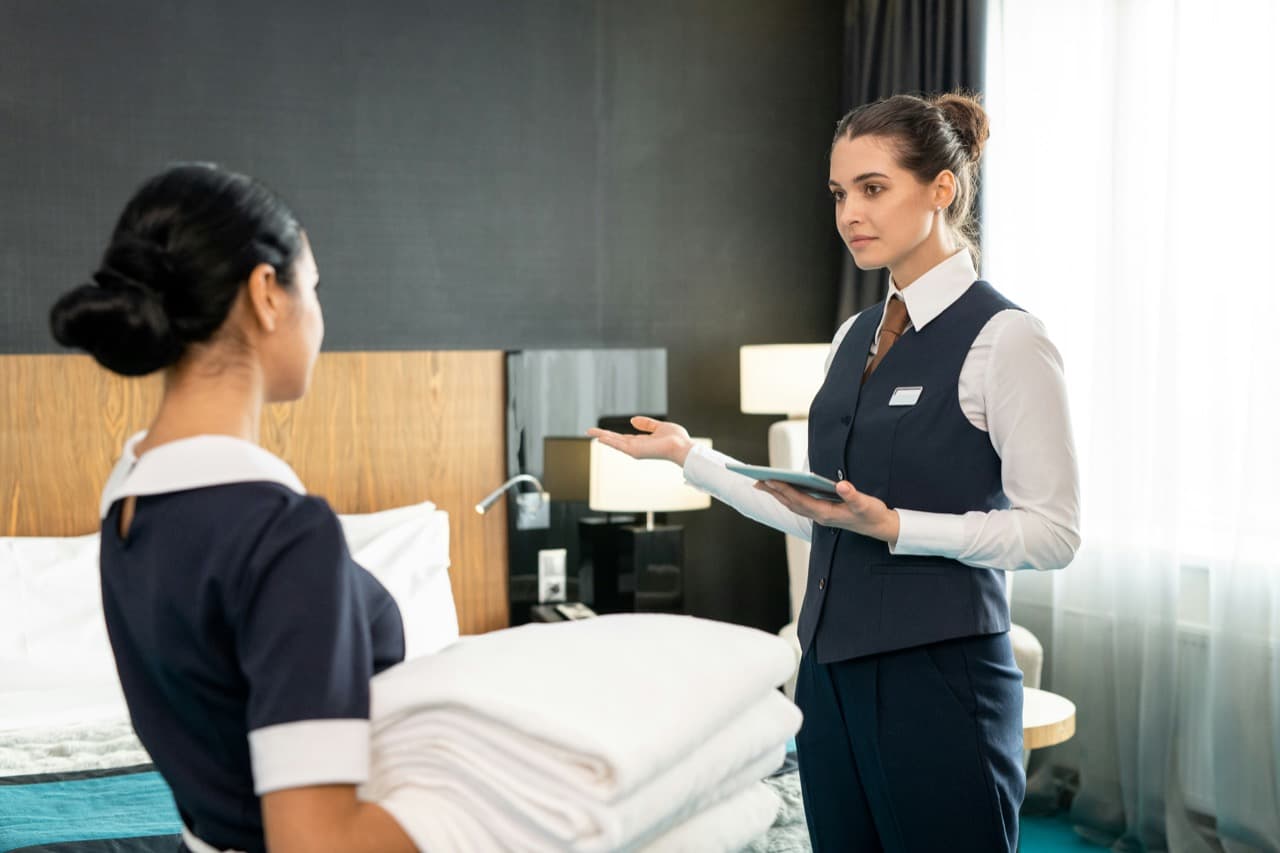
The modern hotel concierge service has evolved from a luxury amenity into an essential component of guest satisfaction and hotel profitability. Today's travelers expect personalized attention, instant responses, and seamless experiences throughout their stay. Whether you're managing a boutique property or a large resort, understanding how to optimize your concierge operations can make the difference between one-time guests and loyal brand advocates.
What Makes Hotel Concierge Service Essential in 2026
The hospitality landscape has shifted dramatically. Guests now compare every interaction against standards set by consumer technology giants, expecting the same level of responsiveness and personalization from their hotel experience.
A quality hotel concierge service acts as the central nervous system of guest satisfaction. It's the frontline for handling everything from dinner reservations to emergency requests, creating those memorable moments that drive positive reviews and repeat bookings.
Key functions include:
- Answering property questions and providing local recommendations
- Managing reservations for dining, entertainment, and transportation
- Handling special requests and resolving issues
- Coordinating with other hotel departments
- Creating personalized experiences based on guest preferences
The most successful properties recognize that concierge services directly impact revenue through upselling opportunities, enhanced guest loyalty, and improved online reputation scores.
The Revenue Connection
Hotels that invest in exceptional concierge operations see measurable returns. When guests receive prompt, helpful service, they're more likely to extend stays, book premium experiences, and recommend the property to others.
Consider this: A guest who receives a perfect restaurant recommendation is more likely to use the concierge for spa bookings, tour reservations, or room upgrades during their stay.
Traditional vs. Modern Approaches to Guest Services
The traditional hotel concierge service model relied entirely on human staff members stationed at a desk, available during specific hours. This approach worked for decades but comes with inherent limitations.
| Traditional Model | Modern Approach |
|---|---|
| Limited to business hours | 24/7 availability |
| Single point of contact | Multiple channels (phone, text, chat) |
| Dependent on staff memory | Integrated guest data systems |
| Reactive service | Proactive engagement |
| High labor costs | Scalable solutions |
Traditional challenges include:
- Staff shortages affecting service quality
- Inconsistent service levels across shifts
- Language barriers with international guests
- High training costs and turnover
- Limited after-hours support
Modern properties are reimagining what's possible by blending human expertise with technology. This doesn't mean replacing the personal touch, it means enhancing it.
The Technology Integration Wave
Smart hotels in 2026 are leveraging AI and digital tools to enhance concierge services while maintaining the warmth and personalization guests expect. Voice AI platforms can handle routine inquiries instantly, freeing human concierges to focus on complex requests and relationship building.
The best implementations create a seamless experience where guests don't know or care whether they're interacting with AI or a person. They just know they're getting excellent service.
Building an Effective Hotel Concierge Service Strategy
Creating a standout concierge experience requires intentional planning and execution. It's not enough to simply have someone answering phones, you need a comprehensive strategy.
Understanding Your Guest Demographics
Different traveler types have different needs. Business travelers prioritize efficiency and connectivity. Leisure guests want local experiences and relaxation. Families need kid-friendly recommendations and convenience.
Start by analyzing your typical guest profiles:
- Review booking data to understand primary guest segments
- Survey guests about their most common requests
- Analyze complaint patterns to identify service gaps
- Monitor competitor offerings in your market
- Track seasonal variations in guest needs
This intelligence shapes how you staff, train, and equip your concierge team.
Training and Empowerment
Your concierge staff should be local experts who genuinely love your destination. They need deep knowledge of restaurants, attractions, transportation options, and hidden gems that guidebooks miss.
Essential training elements:
- Comprehensive local area knowledge
- Cultural sensitivity and language skills
- Property systems and technology platforms
- Upselling techniques that feel helpful, not pushy
- Crisis management and problem-solving
- Personal interaction skills and emotional intelligence
Empower your team to make decisions without excessive approval chains. A concierge who can immediately comp a drink or arrange a room change solves problems faster and creates better guest experiences.
Leveraging Voice AI for Hotel Concierge Service Excellence
The conversation about automation in hospitality often triggers concerns about losing the human element. But the reality is more nuanced and exciting.
Voice AI technology has reached a point where it can handle sophisticated interactions naturally and efficiently. The best AI solutions for hotels manage routine requests seamlessly while escalating complex situations to human staff.
What Voice AI Does Best
Routine inquiries: Pool hours, WiFi passwords, checkout times, breakfast locations Request handling: Extra towels, wake-up calls, basic room service orders Information provision: Property amenities, local directions, event schedules Multilingual support: Serving international guests in their preferred language After-hours assistance: Providing service when human staff isn't available
This technology doesn't replace your concierge team. It amplifies their impact by handling the repetitive questions that consume 60-70% of typical concierge interactions.
The Human-AI Partnership Model
The most effective hotel concierge service in 2026 uses a tiered approach. Voice AI handles first-contact interactions, immediately resolving simple requests while gathering context for more complex needs.
When a guest asks about nearby restaurants, AI can provide instant recommendations based on cuisine preferences, walking distance, and current availability. When that same guest needs help planning a surprise anniversary celebration, the system seamlessly transfers to a human concierge who has full context from the AI conversation.
This hybrid model delivers the best of both worlds: instant responsiveness with personal attention when it matters most. Properties implementing these hospitality-focused AI solutions report significant improvements in guest satisfaction scores and staff efficiency.
Measuring Hotel Concierge Service Performance
You can't improve what you don't measure. Successful properties track specific metrics to understand concierge effectiveness and identify opportunities for enhancement.
| Metric | Why It Matters | Target Range |
|---|---|---|
| Response Time | Guest satisfaction correlates with speed | Under 60 seconds |
| Resolution Rate | Percentage of requests successfully fulfilled | Above 95% |
| Upsell Conversion | Revenue generated through recommendations | 15-25% |
| Guest Satisfaction | Post-interaction ratings | 4.5+ out of 5 |
| Request Volume | Trends indicating service awareness | Increasing monthly |
Beyond the Numbers
Quantitative metrics tell part of the story, but qualitative feedback reveals deeper insights. Read every comment mentioning your concierge service. Look for patterns in praise and criticism.
Pay attention to:
- Specific staff members frequently mentioned positively
- Types of requests that take longest to resolve
- Guest suggestions for service improvements
- Comparison mentions against competitor properties
- Emotional language indicating memorable experiences
This feedback shapes training priorities and service enhancements. Maybe guests rave about your dinner recommendations but struggle with transportation arrangements. That tells you exactly where to focus improvement efforts.
Enhancing Revenue Through Strategic Concierge Operations
A well-run hotel concierge service is a profit center, not just a cost center. The key is creating value for guests while generating ancillary revenue for the property.
Partnership and Commission Strategies
Develop relationships with local businesses that align with your guest demographics. High-quality restaurants, tour operators, spas, and transportation services often provide commissions for referrals.
Ethical guidelines:
- Only recommend businesses you genuinely trust
- Prioritize guest experience over commission rates
- Disclose partnerships when appropriate
- Maintain diverse options at multiple price points
- Regularly evaluate partner quality
These partnerships create a win-win-win scenario. Guests discover great local experiences, partners gain qualified customers, and your property generates additional revenue.
Upselling Property Amenities
Your concierge team sits at the perfect position to drive on-property spending. They can enhance guest experiences through various use cases like spa treatments, room upgrades, premium dining reservations, and special packages.
The secret is making recommendations feel helpful rather than salesy. Train your team to listen for opportunities in conversation. A guest mentioning sore muscles from travel? Perfect time to describe your spa's massage options. Celebrating an anniversary? Suggest the chef's tasting menu at your signature restaurant.
Technology Integration for Seamless Operations
Modern hotel concierge service relies on sophisticated technology infrastructure. The right systems create efficiency while maintaining service quality.
- Property Management System Integration: Access real-time room availability, guest preferences, and booking history
- Customer Relationship Management: Track past interactions and preferences across visits
- Reservation Systems: Book restaurants, tours, and activities directly from concierge platform
- Communication Channels: Unified inbox for phone, text, email, and chat requests
- Knowledge Bases: Searchable databases of local information and property details
Choosing the Right Platforms
When evaluating technology for your concierge operations, prioritize solutions that integrate smoothly with existing systems. Fragmented technology creates inefficiency and frustration for staff and guests alike.
Look for platforms specifically designed for hospitality environments. Generic customer service tools lack the specialized features hotels need. Comprehensive solutions for hotels should handle voice calls, understand hospitality terminology, and connect with property management systems seamlessly.
Creating Memorable Experiences Through Personalization
Generic service doesn't create loyalty. Personalization transforms ordinary interactions into memorable moments that guests talk about for years.
Winning over guests requires understanding individual preferences and anticipating needs before they're expressed. This level of service used to require extensive manual note-taking and exceptional staff memory. Now, integrated systems can track and surface relevant guest information automatically.
The Data-Driven Concierge Approach
When a returning guest calls the concierge, having their previous preferences instantly available changes the entire interaction. Your team can greet them by name, reference past stays, and make recommendations based on what they enjoyed before.
Personalization opportunities:
- Dietary preferences and restaurant recommendations
- Activity interests and local attraction suggestions
- Room preferences and upgrade offers
- Celebration occasions requiring special touches
- Language preferences and cultural considerations
This intelligence enables proactive service. Send a pre-arrival message suggesting reservations at restaurants matching their cuisine preferences. Have their favorite newspaper waiting at check-in. Arrange transportation in advance based on their typical arrival pattern.
Handling Special Requests and Complex Situations
The true test of any hotel concierge service comes when guests face unusual situations or make challenging requests. These moments define your property's reputation and separate exceptional operations from merely adequate ones.
Crisis Management Protocols
Establish clear procedures for handling emergencies and sensitive situations:
- Medical emergencies requiring immediate attention
- Lost passports or important documents
- Security concerns or suspicious activity
- Extreme weather affecting travel plans
- Guest complaints requiring escalation
Train every team member on these protocols until responses become automatic. In crisis moments, hesitation damages guest confidence and potentially worsens situations.
Going Above and Beyond
The concierge stories that become legendary involve staff members who solved seemingly impossible problems or created unexpected magic for guests.
Sometimes this means calling twenty restaurants to find one with availability for a dietary restriction. Or arranging emergency dry cleaning at midnight. Or somehow locating a specific toy for a child's birthday when every store is closed.
These extraordinary efforts create emotional connections that transcend typical hospitality transactions. They're also the interactions that become online reviews, social media posts, and referrals to friends.
Training Programs That Elevate Service Quality
Consistency in hotel concierge service requires ongoing training and development. One-time onboarding isn't sufficient when local businesses change, technology evolves, and guest expectations rise.
Continuous Learning Framework
Monthly updates: New restaurants, attractions, and local developments Quarterly skills workshops: Communication techniques, technology platforms, upselling strategies Annual refreshers: Emergency procedures, cultural sensitivity, company policies Peer shadowing: Learning from high-performing team members Mystery shopping feedback: Understanding service from the guest perspective
Encourage your concierge team to experience local attractions personally. How can they authentically recommend a tour they've never taken or a restaurant they've never visited? Budget for staff to explore the destination as guests would.
Cross-Training Benefits
Concierge staff who understand other hotel operations provide better service. When they've worked a front desk shift, they better appreciate availability constraints. Kitchen experience helps them make informed dining recommendations.
This cross-functional knowledge also creates operational flexibility during peak periods or staff shortages. Your concierge team becomes a valuable resource across multiple departments.
The Role of Guest Feedback in Service Evolution
Your guests tell you exactly what's working and what needs improvement, if you listen carefully. Understanding concierge impact on guest experience requires systematic feedback collection and analysis.
Multi-Channel Feedback Collection
- Post-interaction surveys via text or email
- Check-out experience questions
- Online review monitoring across platforms
- Social media mention tracking
- Direct conversation during stays
Different guests prefer different communication methods. Offering multiple feedback channels increases response rates and provides more comprehensive insights.
Analyze feedback for patterns:
Some guests mention slow response times? You might need staffing adjustments or better technology. Multiple people praise specific recommendations? Document and share those approaches with the entire team. Complaints about lack of local knowledge? Time for enhanced training programs.
Act on feedback visibly. When guests suggest improvements, implement them and let future guests know you listened. This creates a virtuous cycle where guests feel heard and continue providing valuable input.
Future Trends Shaping Hotel Concierge Service
The hospitality industry continues evolving rapidly. Properties that anticipate trends position themselves for sustained success.
Emerging Developments
Predictive AI: Systems that anticipate needs based on behavioral patterns before guests ask Voice-first interfaces: Guests interacting naturally with AI concierges via smart speakers and phones Augmented reality: Virtual tours and navigation assistance for property amenities and local attractions Sustainability focus: Concierges helping guests find eco-friendly experiences and transportation Wellness integration: Personalized health and wellness recommendations throughout stays
These innovations enhance rather than replace core concierge functions. The fundamental mission remains unchanged: helping guests maximize their experience while driving property revenue.
Preparing for Tomorrow
Stay informed about hospitality technology developments. Attend industry conferences. Network with other hotel operators. Test new solutions carefully before full implementation.
Balance innovation with reliability. Your guests don't care about using cutting-edge technology if it doesn't work smoothly. They care about getting excellent service through whatever methods prove most effective.
The best hotel concierge service in 2026 combines time-tested hospitality principles with modern technology capabilities. It maintains the warmth and personal attention that define great service while leveraging automation for efficiency and scale.
Exceptional hotel concierge service creates the memorable experiences that transform first-time guests into loyal advocates while driving meaningful revenue growth. Whether you're enhancing traditional operations or exploring innovative approaches, the goal remains delivering outstanding service efficiently and consistently. withQ helps hotels achieve this balance through AI-powered voice technology that handles routine requests 24/7 while empowering human staff to focus on complex interactions and relationship building. Ready to transform your guest service capabilities? Discover how our platform integrates seamlessly with your existing operations to elevate every guest interaction.